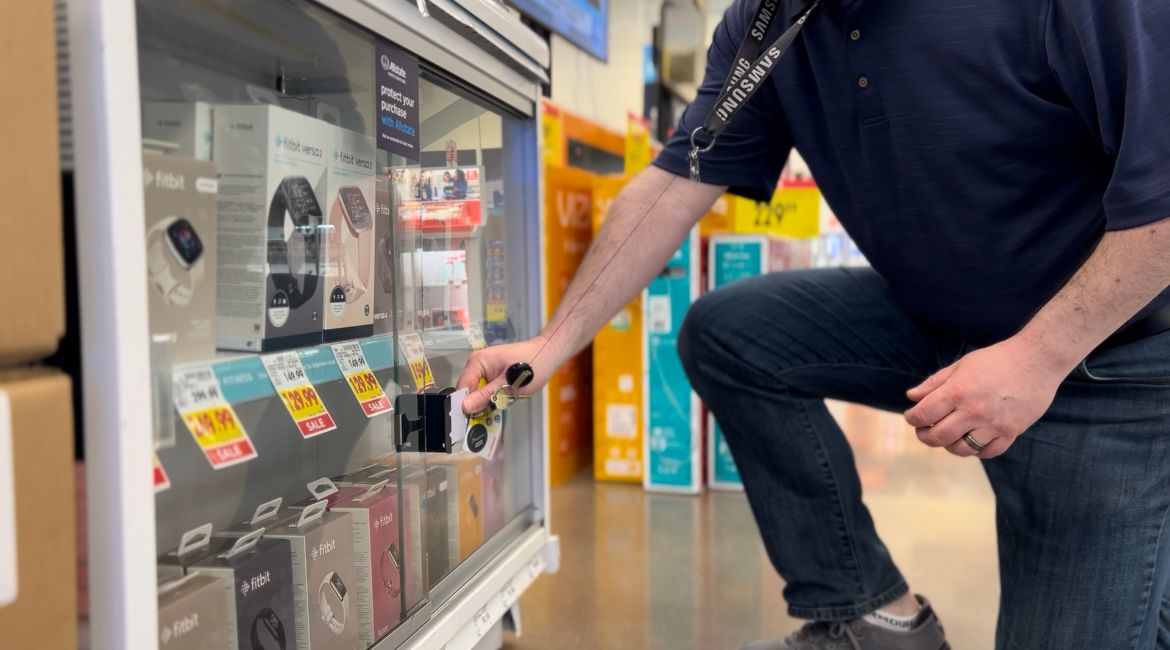
Access control is often treated as an afterthought until a cabinet, cage or restricted display becomes a recurring management headache. For operations directors evaluating options, one of the first points of confusion is terminology: “smart lock” and “traditional electronic lock” are often used interchangeably, but they aren’t the same thing. Understanding the difference matters before investing in retail smart locks for your stores.
What Is a Retail Smart Lock?
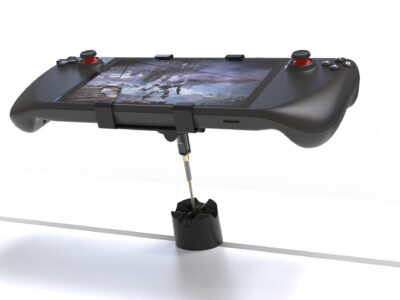
A retail smart lock is an electronic access-control device built for commercial environments like inventory cages, display cases, cash areas and restricted storage, rather than a residential front door. MTI’s retail smart lock styles, for example, include the Twist Blade Lock, Slide Ratchet Lock, Click Padlock and Slide Push Lock, each suited to different retail fixtures. These locks typically use RFID or Bluetooth credentials instead of a physical key, and many support activity tracking so operations teams can see when and how often a lock has been accessed.
What Is a Traditional Electronic Lock?
A traditional electronic lock also replaces a mechanical key with an electronic one, often a keypad code or a basic card reader, but it’s generally a standalone device. It doesn’t typically connect to a broader management system, log access activity for staff to review, or support remote permission changes. If a code needs to be updated or a credential is lost, someone usually has to physically reprogram or replace the lock at that location.
Key Differences Operations Directors Should Know
The practical difference comes down to management, not just the lock itself. A traditional electronic lock secures an opening. A retail smart lock system is designed to be managed: access options can range from simple RFID key replacement up to cloud-based remote management with analytics and oversight across multiple locations. For teams managing several stores, that difference affects how quickly access can be granted, revoked, or reviewed after an incident.
Where Retail Smart Locks Are Typically Used
Retail smart locks are commonly applied in several restricted or employee-only areas, including:
- Inventory cages and back-stock storage
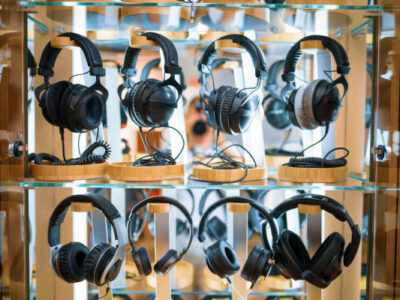
- Display cases holding high-value merchandise
- Cash-handling areas
- Drugstore cabinets
- Other restricted storage where access needs to be controlled without relying on a growing set of physical keys
Institutions such as banks and schools face similar access-control needs for self-service and restricted-access equipment.
Choosing the Right Access Control Approach
Not every location needs the same level of access control, and it’s worth matching the lock type to the actual risk and management need at each site rather than defaulting to the most complex option. RTF Global can help operations teams work through that comparison. Visit the smart locks page to review available lock styles and managed access options, or reach out to discuss which approach fits your store footprint.