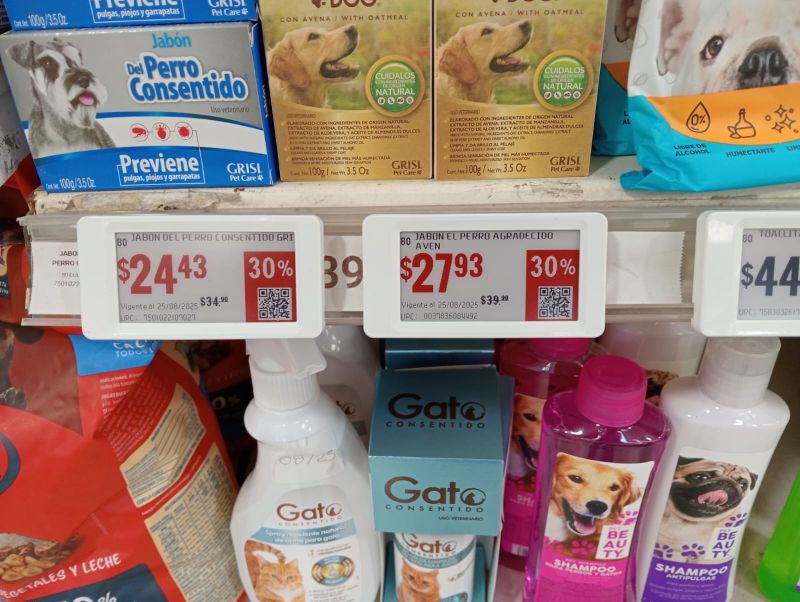
For operations directors overseeing multiple store locations, keeping shelf pricing accurate and consistent is one of the most persistent operational headaches. Paper tags require manual updates at every location, price changes take time to roll out, and even small delays can lead to checkout discrepancies, compliance issues or customer complaints. A growing number of multi-location retailers are addressing this by moving to electronic shelf labels, which update pricing across stores from a central system instead of one paper tag at a time.
The Real Cost of Manual Pricing Across Multiple Stores
Every additional location multiplies the time staff spend printing, cutting and placing paper price tags. For operations teams managing promotions, seasonal pricing or frequent SKU changes, that labor adds up quickly, and it pulls staff away from customer-facing tasks. Manual processes also open the door to pricing errors: a missed tag, a delayed print run or an inconsistent rollout can leave one location out of sync with the rest of the chain.
Why Pricing Errors Multiply With Every Additional Location
A single-store pricing mistake is inconvenient. Across a multi-location footprint, the same mistake becomes a pattern: inconsistent pricing between stores, mismatches between shelf tags and register prices at checkout, and uneven promotional timing. Correcting these issues after the fact takes more staff hours than preventing them in the first place, and repeated discrepancies can affect both customer trust and internal audit results.
How Electronic Shelf Labels Simplify Multi-Location Pricing
Electronic shelf label systems are designed to close that gap. A complete ESL system combines shelf labels, gateway hardware and management software, allowing operations teams to update prices and promotions from one screen and push those changes out across connected stores. Instead of coordinating printing and placement at each location separately, price and promotion updates can be scheduled centrally and reflected on the shelf once transmitted.
What to Consider Before Rolling Out ESL Across Your Stores
Every rollout has an operational side. Store teams need a plan for gateway placement and network requirements at each location, and IT stakeholders should be involved early to discuss compatibility with existing point-of-sale workflows. RTF Global works with retail teams to plan gateway setup, template preparation and staff training as part of implementation, so the shift to digital pricing fits existing store operations rather than disrupting them.
Find the Right ESL Solution for Your Stores
If manual pricing updates are creating bottlenecks across your locations, it may be worth reviewing how an electronic shelf label system could fit your store footprint. Contact RTF Global to request a consultation to discuss your stores.